Key Takeaways
- The burden of proof is on the landlord — you must demonstrate that damage exists, exceeds normal wear and tear, and was caused by the tenant, or you will likely lose in court
- Move-in condition reports are your most important evidence — signed, timestamped, room-by-room documentation with photos establishes the baseline that makes damage disputes winnable
- Normal wear and tear cannot be charged — faded paint, minor nail holes, worn carpet in traffic areas, and loose hinges from regular use are not tenant damage under California law
- The 21-day itemized statement deadline is absolute — missing it can forfeit your right to any deductions, even if the damage is real and well-documented
- You can sue for damage beyond the deposit — small claims court covers up to $12,500 for individuals, but collecting a judgment from a former tenant is often the harder challenge
- Require renter's insurance in your lease — policies with $100,000 liability coverage give you an additional recovery path for tenant-caused damage
Tenant Damaged Your Rental Property? California Landlord Rights and Options in 2026
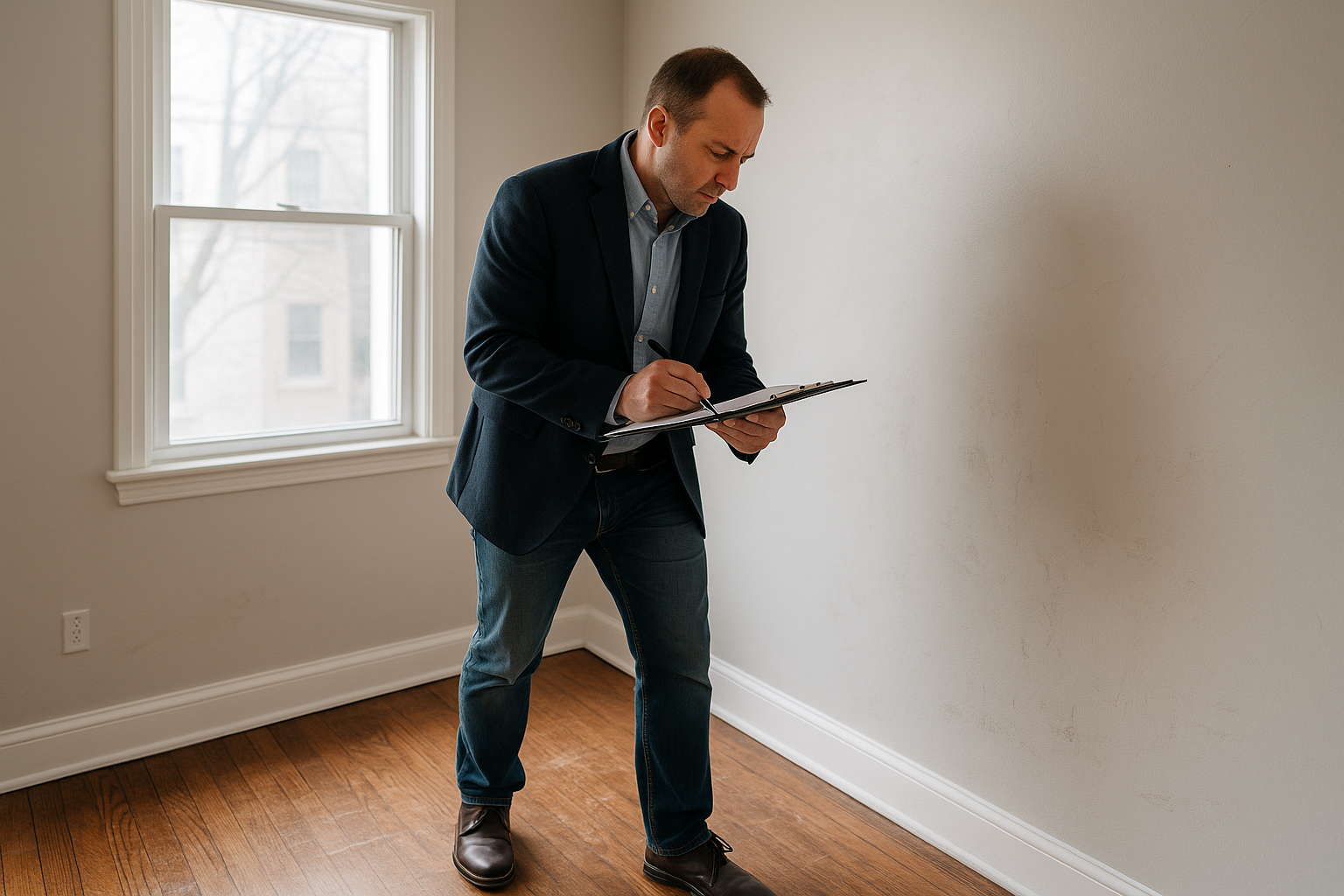
You walk into your rental unit after a tenant moves out and your stomach drops. Holes in the walls. Stained carpet that was new two years ago. Broken cabinet doors. A bathroom that looks like it hasn't been cleaned in months. The damage is clearly beyond anything you'd call normal wear and tear — and you're wondering what your rights are and what you can actually do about it.
California law gives landlords specific rights to recover costs for tenant-caused damage, but those rights come with strict rules about documentation, timelines, and what qualifies as damage versus ordinary use. Here's exactly what you need to know to protect yourself and recover what you're owed.
Normal Wear and Tear vs Tenant Damage — The Legal Line
This distinction is the foundation of every security deposit dispute in California. Get it wrong, and you'll lose in court — even if you genuinely believe the tenant damaged your property.
What California Considers "Normal Wear and Tear"
Normal wear and tear is the gradual deterioration that occurs from ordinary, everyday use of a rental unit. You cannot charge tenants for this. Examples include:
- Faded or slightly discolored paint from sunlight
- Small nail holes from hanging pictures (a few per wall)
- Worn carpet in high-traffic areas (hallways, doorways)
- Minor scuffs on hardwood floors from normal foot traffic
- Loose door handles or hinges from regular use
- Faded or lightly stained window coverings
- Worn caulking around bathtubs and sinks
- Appliance wear consistent with age and use
What Qualifies as Tenant Damage
Damage goes beyond ordinary use — it's deterioration caused by negligence, misuse, or abuse. You can deduct repair costs for these from the security deposit:
- Large holes in walls (fist-sized, anchor bolt damage, removed shelving)
- Broken windows, mirrors, or light fixtures
- Deeply stained or burned carpet
- Pet damage (scratched doors, urine-stained floors, chewed trim)
- Unauthorized paint colors or wallpaper
- Broken tiles, countertops, or cabinet doors
- Plumbing damage from misuse (flushing inappropriate items)
- Missing fixtures, blinds, or appliances
- Excessive filth requiring professional cleaning beyond normal turnover
- Unauthorized modifications (removed doors, altered wiring, added locks)
The Burden of Proof Is on You
This is the critical point many landlords miss: in California, the burden of proof is on the landlord to demonstrate that damage exists, that it exceeds normal wear and tear, and that the tenant caused it. Without documentation, your word against the tenant's word usually results in the tenant winning.
What You Can Deduct From the Security Deposit
California Civil Code 1950.5 allows security deposit deductions for specific purposes only:
- Unpaid rent: Any rent owed through the date the tenant vacates
- Cleaning: Returning the unit to the same level of cleanliness as move-in (not "like new" — the same as when they moved in)
- Repair of tenant-caused damage: Beyond normal wear and tear, with documentation
- Restoration of unauthorized alterations: If the tenant modified the unit without permission
Itemized Statement Requirements
Within 21 days of move-out, you must provide:
- A written itemized statement listing each deduction, the reason, and the amount
- Copies of receipts for any completed repairs
- Good-faith estimates for repairs not yet completed (with actual receipts due within 14 additional days)
- Any remaining deposit balance as a refund check
Failure to provide the itemized statement within 21 days can forfeit your right to any deductions — even if the damage is real and well-documented. See our guide on California security deposit laws for the full compliance requirements.
What You Cannot Deduct
- Repainting unless damage exists: You can't charge to repaint a unit that has minor scuffs or faded walls. However, if the tenant painted walls an unauthorized color or left large patches and holes, repainting is a legitimate deduction
- Carpet replacement for age-related wear: If the carpet was 8 years old and shows traffic patterns, that's depreciation — not damage. If it has large stains, burns, or pet damage, deduction is justified (prorated by remaining useful life)
- Upgrades disguised as repairs: Replacing a damaged laminate countertop with granite is not a legitimate deduction. You can only charge for comparable replacement
When Damage Exceeds the Security Deposit
This is the scenario that keeps landlords up at night. The deposit was $4,000, but the damage will cost $12,000 to repair. What are your options?
Small Claims Court
For amounts up to $12,500 (for individuals; $5,000 for businesses), California small claims court is the most accessible option. The process is straightforward:
- Filing fee: $30-$75 depending on the amount claimed
- No attorneys allowed (you represent yourself)
- Hearing typically scheduled within 30-60 days
- Bring all documentation: photos, estimates, receipts, move-in condition report, lease
Civil Lawsuit for Larger Amounts
For damage exceeding $12,500, you'll need to file a civil lawsuit in Superior Court. This requires:
- Attorney representation (generally recommended)
- Filing fees of $450+
- Longer timeline: 6-18 months to resolution
- Higher legal costs: $3,000-$10,000 in attorney fees
The Collectability Problem
Here's the uncomfortable truth that most guides don't mention: winning a judgment and collecting money are two very different things. Even with a court judgment in your favor, collecting from a former tenant who may have limited assets, changed jobs, or left the state can be extremely difficult.
Options for collecting a judgment include:
- Wage garnishment: Up to 25% of disposable income, but requires knowing the employer
- Bank levy: Freeze and seize funds, but requires knowing the bank
- Property lien: Attach to real estate or vehicles, but many renters don't own property
- Assignment to a collection agency: They take 25-50% but handle the pursuit
Realistically, many landlords collect only a fraction of their judgment — or nothing at all. This is why prevention is so much more valuable than legal remedies after the fact.
How to Protect Yourself Before Damage Happens
The best defense against tenant damage is documentation that starts on day one and continues throughout the tenancy.
Move-In and Move-Out Condition Reports
This is the single most important piece of evidence in any damage dispute. A thorough move-in condition report — signed by both landlord and tenant — establishes a baseline that makes it nearly impossible for a tenant to claim damage was pre-existing.
Your condition report should include:
- Room-by-room checklist of walls, floors, fixtures, appliances, windows, and doors
- Timestamped photos of every room, every wall, every surface
- Notes on any pre-existing conditions, no matter how minor
- Tenant's signature acknowledging the condition
- A copy retained by both parties
LeaseBase's move-in condition reports include photo documentation and digital signatures, creating a court-ready record that's stored securely and can't be lost or altered.
Regular Property Inspections
California law allows landlords to inspect rental properties with proper notice (generally 24 hours written notice under Civil Code 1954). Regular inspections — quarterly or semi-annually — serve multiple purposes:
- Catch maintenance issues before they become expensive damage
- Identify lease violations (unauthorized pets, occupants, modifications)
- Document the condition of the property over time
- Demonstrate proactive management if disputes arise
Strong Lease Language on Maintenance Obligations
Your lease should clearly state the tenant's obligations regarding:
- Routine cleaning and maintenance responsibilities
- Reporting maintenance issues promptly
- Restrictions on modifications without written consent
- Pet policies and associated damage liability
- Consequences for failure to maintain the unit
Require Renter's Insurance
While renter's insurance primarily covers the tenant's belongings, some policies include liability coverage that can help pay for tenant-caused damage. Requiring a minimum liability coverage amount ($100,000 is standard) in your lease gives you an additional recovery path.
Frequently Asked Questions
Can I sue a tenant for damage beyond the security deposit in California?
Yes, you can sue a former tenant for property damage that exceeds the security deposit amount. For amounts up to $12,500, individuals can file in small claims court without an attorney. For larger amounts, you would file a civil lawsuit in Superior Court. In either case, you need strong documentation: move-in condition reports showing the unit's original state, move-out photos showing the damage, repair estimates or invoices, and the tenant's signed lease. Keep in mind that winning a judgment is the first step — actually collecting the money from a former tenant can be the bigger challenge, especially if they have limited assets.
What counts as normal wear and tear in California?
California defines normal wear and tear as the unavoidable deterioration that results from living in and using a rental unit in a reasonable manner. This includes faded paint, minor nail holes, worn carpet in traffic areas, loose hinges, and minor scuffs on floors. The key test is whether the deterioration would have occurred through any tenant's normal use over the same time period. Damage, by contrast, results from negligence, carelessness, abuse, or misuse — such as large holes in walls, pet-damaged carpet, broken fixtures, or burns. There is no statutory list; courts evaluate each case based on the specific conditions, the length of tenancy, and the age of the affected items. A carpet that was new at move-in and is destroyed after one year is clearly damage; the same carpet destroyed after 10 years of normal use is wear and tear. For detailed guidance on permissible deductions, see the California habitability guide.
How do I prove tenant damage in California small claims court?
Proving tenant damage in small claims court requires a comparison between the unit's condition at move-in and its condition at move-out. The most persuasive evidence includes: (1) A signed move-in condition report with photos establishing the baseline condition; (2) Timestamped move-out photos and video documenting every area of damage; (3) Repair estimates or invoices from licensed contractors; (4) The lease agreement showing tenant maintenance obligations and any clauses about modifications; (5) Any written communication with the tenant about damage or maintenance during the tenancy; (6) Records of regular inspections showing when damage first appeared. Judges in small claims court are practical — clear before-and-after photos with timestamps are often the most compelling evidence. Without a move-in condition report, proving that damage was caused by the tenant rather than pre-existing becomes significantly harder.
Disclaimer: This article is for informational purposes only and does not constitute legal advice. Laws and regulations change frequently. Consult a licensed attorney for advice specific to your situation.