Key Takeaways
- Respond within 24 hours in writing — Acknowledge the complaint immediately to establish your good faith response timeline and create a documented record
- Repair timelines depend on severity — Emergency conditions (no heat, sewage) require 24-hour response; urgent issues 3-7 days; standard repairs within 30 days
- Tenants have powerful self-help remedies — California law allows repair-and-deduct (up to one month’s rent), full rent withholding, and lease termination for habitability failures
- Penalties can reach $10,000-$50,000+ — Fines of $100-$1,000 per day per violation, criminal misdemeanor charges, court-appointed receivers, and tenant relocation costs
- Never retaliate after a complaint — Raising rent, reducing services, or filing eviction within 180 days creates a legal presumption of retaliation under Civil Code 1942.5
- Proactive maintenance prevents complaints — Quarterly inspections, seasonal HVAC servicing, and responsive communication eliminate most issues before they become formal complaints
Tenant Filed a Habitability Complaint? What California Landlords Must Do Now
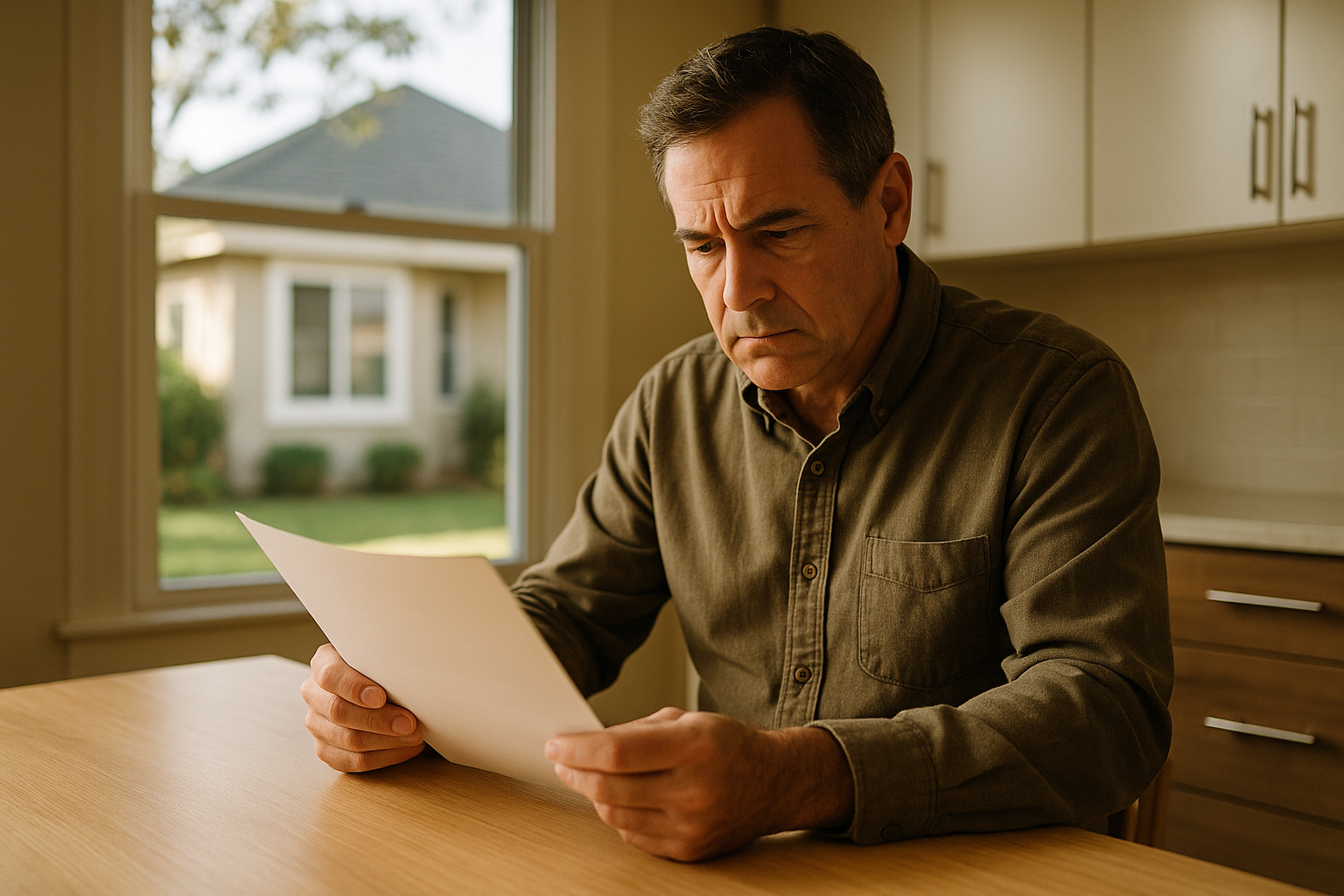
A tenant just filed a habitability complaint — or sent you a letter threatening to. Maybe code enforcement left a notice on your property. Maybe you got a call from the county health department. Whatever brought you here, this is one of the most serious situations a California landlord can face, and how you respond in the next 24-72 hours will determine whether this becomes a manageable repair issue or a financial and legal crisis.
Don’t panic, but don’t wait either. Here’s exactly what’s happening, what’s at stake, and what you need to do right now.
What Triggers a Habitability Complaint
Under California law, every residential rental unit must meet minimum habitability standards. When those standards are violated, tenants have multiple paths to force action — and all of them create serious consequences for the landlord.
Common Habitability Issues That Generate Complaints
- Heating system failures: Non-functioning heating in habitable rooms (California requires adequate heating; air conditioning is generally not required)
- Plumbing problems: Leaking pipes, no hot water, backed-up sewage, non-functioning toilets
- Electrical hazards: Exposed wiring, non-functioning outlets in kitchens/bathrooms, overloaded circuits
- Mold and moisture: Visible mold growth, persistent moisture intrusion, inadequate ventilation
- Pest infestations: Cockroaches, rodents, bedbugs — especially recurring infestations that weren’t resolved
- Structural issues: Cracked foundations, sagging floors, unstable railings, deteriorating stairs
- Security deficiencies: Broken locks on exterior doors or windows, non-functioning deadbolts
- Lead paint hazards: Peeling or deteriorating paint in pre-1978 buildings
- Lack of weatherproofing: Broken windows, missing window screens, roof leaks
- Non-functioning smoke or carbon monoxide detectors
Where Tenants Can File
Tenants have multiple avenues for habitability complaints, and they may use more than one simultaneously:
- Local code enforcement: City or county building inspectors who can cite violations and impose fines
- County health department: For issues involving mold, pests, sewage, or other health hazards
- California HCD (Housing and Community Development): State-level complaints, particularly for properties not covered by local enforcement
- Direct to landlord: Written notice of the condition, which may trigger “repair and deduct” or rent withholding rights
Tenant Self-Help Remedies
Beyond filing complaints, California tenants facing habitability issues have powerful self-help remedies under Civil Code 1942:
- Repair and deduct: Tenant hires their own contractor to fix the issue and deducts the cost (up to one month’s rent) from the next rent payment
- Rent withholding: Tenant withholds rent entirely until the condition is repaired, with court determining the “reasonable rental value” of the unit in its defective condition
- Abandonment: Tenant vacates the unit, terminates the lease, and moves out — potentially claiming relocation costs
What Happens After a Complaint Is Filed
Once a habitability complaint reaches a government agency, events move quickly — and the landlord is in a reactive position.
Inspection
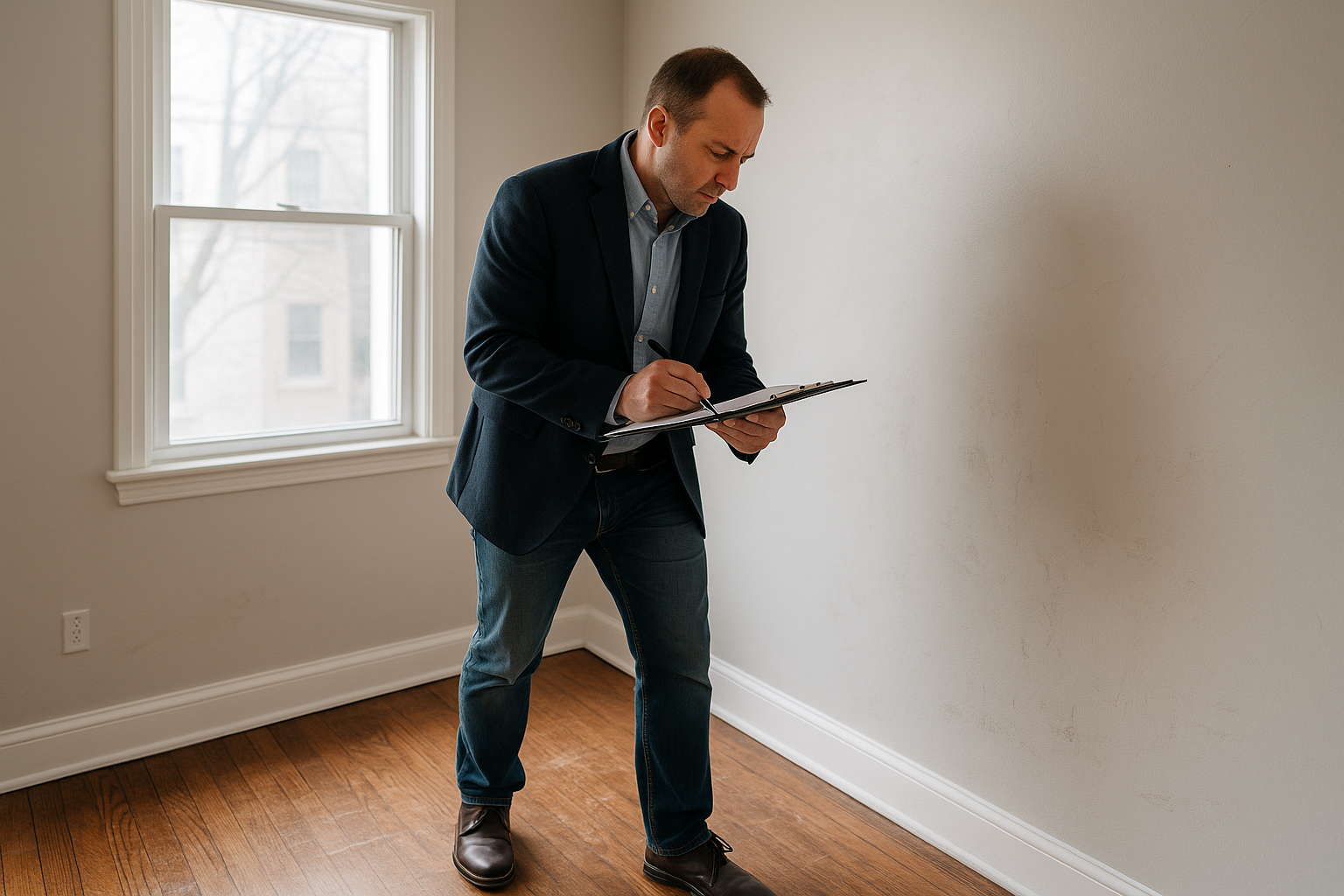
Code enforcement or the health department will typically schedule an inspection within 1-5 business days of receiving a complaint. For emergency conditions (no heat in winter, sewage backup, electrical hazards), inspectors may respond within 24 hours. You will usually be notified of the inspection, but in some jurisdictions, inspectors can access the property with the tenant’s permission without advance notice to the landlord.
Notice of Violation
If the inspector finds violations, you’ll receive a written notice listing each violation and a deadline for repair — typically 10-30 days for non-emergency issues. The notice will specify:
- Each violation cited with the applicable code section
- Required corrective action
- Deadline for completion
- Date of follow-up inspection
- Penalties for non-compliance
Follow-Up Inspection
After the repair deadline, the inspector returns to verify the work was completed. If violations remain, the consequences escalate — additional fines, referred prosecution, or civil penalties.
Penalties for Non-Compliance
Failing to correct cited violations can result in:
- Daily fines: $100-$1,000 per day per violation in some jurisdictions
- Criminal misdemeanor charges: For willful failure to maintain habitable conditions
- Civil penalties: Courts can impose significant damages
- Rent escrow: Tenant pays rent to the court instead of the landlord until repairs are made
- Receiver appointment: In extreme cases, the court can appoint a receiver to manage the property and make repairs at the landlord’s expense
Worst Case: Unit Declared Uninhabitable
If conditions are severe enough, the inspector can “red tag” or condemn the unit, declaring it uninhabitable and ordering the tenant to vacate. In this scenario, the landlord may be responsible for:
- Relocation costs for displaced tenants
- Temporary housing expenses
- Continued rent obligations under some local ordinances
- Cost of bringing the unit back to code before it can be re-rented
Your Legal Obligations as a California Landlord
California landlords have a non-waivable duty to maintain rental units in habitable condition. This isn’t optional, and tenants cannot sign away their right to habitable housing — any lease provision attempting to waive habitability standards is void.
The Implied Warranty of Habitability
The landmark case Green v. Superior Court (1974) established that every California residential lease includes an implied warranty of habitability. This means that by renting a unit, you’re guaranteeing it meets minimum living standards — whether your lease says so or not.
Civil Code 1941-1942.5
These code sections spell out the landlord’s obligations:
- Section 1941: Landlord must maintain the dwelling in a condition fit for human occupation
- Section 1941.1: Lists specific habitability requirements (waterproofing, plumbing, heating, electrical, sanitation, building/fire/housing code compliance)
- Section 1941.3: Requires working deadbolt locks and window security devices
- Section 1942: Establishes tenant’s repair-and-deduct remedy
- Section 1942.4: Prohibits demanding or collecting rent while a noticed habitability violation remains uncorrected
- Section 1942.5: Prohibits retaliation against tenants who exercise their rights
Repair Timelines
While there is no single statutory deadline for all repairs, courts and code enforcement generally expect:
- Emergency conditions (no heat, no water, sewage, electrical hazards): 24 hours
- Urgent conditions (broken locks, pest infestation, hot water failure): 3-7 days
- Standard conditions (minor plumbing, cosmetic structural issues): 30 days
The standard from case law is “reasonable time” given the severity of the condition and the complexity of the repair. Courts consider both the seriousness of the issue and whether the landlord acted promptly.
The Anti-Retaliation Rule
This is where many landlords get into serious trouble. Under Civil Code 1942.5, you cannot retaliate against a tenant for filing a habitability complaint, contacting code enforcement, or exercising any habitability-related right. Retaliation includes:
- Raising rent
- Reducing services
- Filing an eviction
- Threatening any of the above
California law creates a rebuttable presumption of retaliation if any adverse action occurs within 180 days of a tenant’s complaint or protected activity. This means the court assumes you’re retaliating unless you can prove otherwise with clear, documented evidence of a legitimate reason for your action.
How to Respond to a Habitability Complaint
Your response to a habitability complaint should be immediate, professional, and thoroughly documented. Every action you take (or fail to take) becomes part of the record.
Acknowledge Immediately in Writing
Within 24 hours of receiving a complaint — whether from the tenant directly, code enforcement, or a health department — send a written acknowledgment. State that you’ve received the complaint, you take it seriously, and you’re taking steps to address it. This establishes your good faith response timeline.
Document Current Conditions
Before any work is done, document the current condition of the property:
- Take timestamped photos and video of every area mentioned in the complaint
- Note the condition of surrounding areas for context
- Document any tenant-caused conditions that contributed to the issue
- Record any prior maintenance requests related to the condition and how they were handled
Schedule Repairs Within the Required Timeframe
Based on the severity of the issue:
- Emergency: Contact an emergency repair service immediately — don’t wait for business hours
- Urgent: Schedule a licensed contractor within 1-3 days
- Standard: Obtain estimates within a week and schedule repairs to complete well before any code enforcement deadline
Always use licensed, insured contractors. Doing repairs yourself is fine for minor issues, but for anything involving plumbing, electrical, or structural work, use a professional — both for quality and liability reasons.
Keep All Receipts and Records
Maintain a complete file for each complaint:
- The original complaint or notice
- Your written acknowledgment
- Contractor estimates and invoices
- Permits obtained (if required)
- Before and after photos with timestamps
- Written confirmation to the tenant that repairs are complete
- Any communication with code enforcement
Follow Up With the Tenant in Writing
Once repairs are complete, notify the tenant in writing. Ask them to confirm the issue has been resolved. If they identify remaining problems, address them promptly. This written exchange demonstrates your responsiveness and creates a record that the condition was corrected.
How to Prevent Habitability Complaints
The best habitability complaint is the one that never gets filed. Proactive maintenance and responsive communication eliminate most habitability issues before they become formal complaints.
Proactive Maintenance
Don’t wait for things to break. Schedule regular preventive maintenance:
- HVAC servicing before heating and cooling seasons
- Plumbing inspections annually
- Roof and gutter inspection after each rainy season
- Smoke and CO detector testing and battery replacement
- Pest prevention treatments quarterly
- Exterior maintenance (paint, weatherstripping, caulking) as needed
Regular Property Inspections
Conduct quarterly or semi-annual inspections with proper notice (24 hours under Civil Code 1954). Look for early warning signs: moisture stains, pest evidence, minor plumbing leaks, electrical issues. Catching problems early costs a fraction of addressing a code enforcement citation.
Responsive Communication
Tenants who feel heard are far less likely to file formal complaints. When a tenant reports a maintenance issue:
- Acknowledge the request within 24 hours
- Provide a timeline for resolution
- Follow up after the repair to confirm satisfaction
- Never dismiss or minimize a tenant’s concern
LeaseBase’s maintenance system tracks every repair request from submission through resolution, documenting response times, contractor assignments, and completion dates. This creates an automatic compliance record that demonstrates your responsiveness — which is exactly the evidence you need if a complaint is ever filed. The system also flags aging work orders before they become overdue, so nothing falls through the cracks.
Frequently Asked Questions
Can a tenant withhold rent for habitability issues in California?
Yes. Under California Civil Code 1942, tenants can withhold rent when a rental unit has substantial habitability defects that the landlord has failed to repair within a reasonable time after being notified. The tenant must have notified the landlord (or code enforcement must have cited the violation), the condition must be serious enough to substantially affect habitability, and the tenant must not have caused the condition. The rent withheld is not “free rent” — if the case goes to court, the judge will determine the “reasonable rental value” of the unit in its defective condition and may order the tenant to pay that reduced amount. Landlords cannot evict for non-payment of rent while noticed habitability violations remain uncorrected (Civil Code 1942.4). The safest response for landlords is to fix the issue promptly rather than challenge the withholding — courts are sympathetic to tenants on habitability matters, and the legal costs of fighting a withholding claim typically exceed the cost of repairs.
What are the penalties for habitability violations in California?
Penalties for habitability violations vary by jurisdiction and severity but can include: daily fines of $100-$1,000 per violation from code enforcement; civil penalties imposed by the court; criminal misdemeanor charges for willful failure to maintain habitable conditions (up to $1,000 fine and/or 6 months in jail under Health and Safety Code 17995.3); tenant damages including rent reduction for the period of uninhabitable conditions; relocation costs if the unit is condemned; and attorney’s fees for the prevailing tenant. In extreme cases, courts can appoint a receiver to manage the property at the landlord’s expense. Additionally, under Civil Code 1942.4, landlords cannot collect rent while known habitability violations remain uncorrected — meaning you could lose months of rental income on top of repair costs and fines. The total financial impact of a serious habitability violation can easily reach $10,000-$50,000.
How long do I have to fix a habitability issue in California?
There is no single statutory deadline — California uses a “reasonable time” standard that depends on the severity and complexity of the issue. In practice, courts and code enforcement expect emergency conditions (no heat, no water, sewage, gas leaks, electrical hazards) to be addressed within 24 hours; urgent conditions (broken locks, pest infestations, hot water failure) within 3-7 days; and standard conditions (minor plumbing issues, cosmetic structural problems) within 30 days. If code enforcement has cited a violation, they will set a specific deadline in the notice — typically 10-30 days — and will return for a follow-up inspection. Missing a code enforcement deadline triggers escalating penalties. Regardless of the formal timeline, the best practice is to respond as quickly as possible. Courts evaluate good faith based on how promptly the landlord acted after being notified, and a landlord who immediately scheduled a contractor but needed 3 weeks for parts is treated very differently from one who ignored the problem for 3 weeks.
Disclaimer: This article is for informational purposes only and does not constitute legal advice. Laws and regulations change frequently. Consult a licensed attorney for advice specific to your situation.